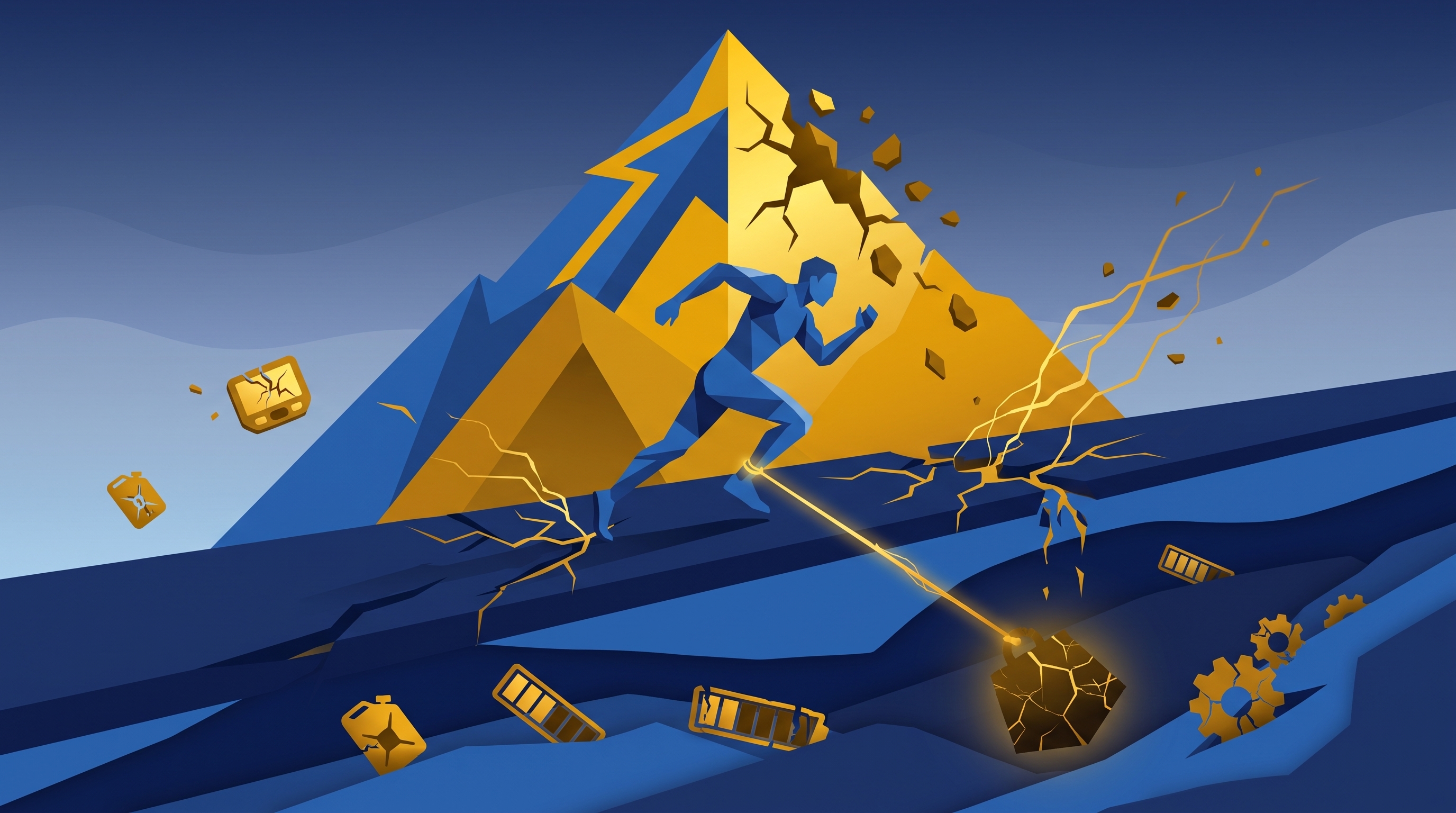
Whether you're training for a marathon, competing in team sports, or simply exercising regularly, proper nutrition is just as important as your workout routine. One condition gaining increased attention in sports medicine is Relative Energy Deficiency in Sport (RED-S)—a syndrome that can significantly impact health, performance, and long-term well-being.
RED-S occurs when the body doesn't have enough available energy to support both exercise and essential physiological functions. This state, known as low energy availability, can develop when energy intake is consistently lower than energy expenditure, whether intentionally or unintentionally.
Unlike the earlier concept of the Female Athlete Triad, RED-S recognizes that the condition affects people of all genders and has widespread effects beyond reproductive health.
There are many reasons someone may develop RED-S, including:
In many cases, RED-S develops gradually, making it difficult to recognize until symptoms begin affecting health or performance.
The symptoms of RED-S vary from person to person and may include:
Because these symptoms can have many causes, a thorough medical evaluation is important.
Low energy availability can disrupt numerous body systems, including:
Reduced energy availability can decrease bone formation, increasing the risk of stress fractures and osteoporosis over time.
Hormone production may decline, affecting menstrual function, testosterone levels, thyroid hormones, and overall metabolism.
Individuals with RED-S may become more susceptible to infections and illness due to impaired immune function.
Prolonged energy deficiency may influence heart function, blood pressure, and cardiovascular performance.
RED-S can contribute to anxiety, depression, irritability, and reduced motivation. Psychological stress may also make recovery more challenging.
Ironically, under-fueling in an attempt to improve performance often produces the opposite effect, leading to reduced strength, endurance, coordination, and recovery.
RED-S can affect:
Anyone whose energy intake consistently falls short of their energy needs may be at risk.
There is no single test for RED-S. Healthcare professionals evaluate:
Early recognition allows for earlier treatment and better outcomes.
Recovery focuses on restoring adequate energy availability while supporting overall health. Treatment may include:
Recovery timelines vary depending on the severity and duration of the condition.
RED-S is often preventable with good nutrition and training practices.
Exercise is a powerful tool for improving health, but training without adequate nutrition can have significant consequences. RED-S reminds us that optimal performance depends on more than hard work—it requires giving the body enough energy to recover, adapt, and function properly.
If you experience ongoing fatigue, declining performance, recurrent injuries, or other concerning symptoms, consult a healthcare professional or sports medicine specialist. Early identification and appropriate treatment can help restore health, improve performance, and reduce the risk of long-term complications.
Disclaimer: This article is intended for educational purposes only and should not replace personalized medical advice. If you suspect you may have RED-S, seek assessment from a qualified healthcare professional.