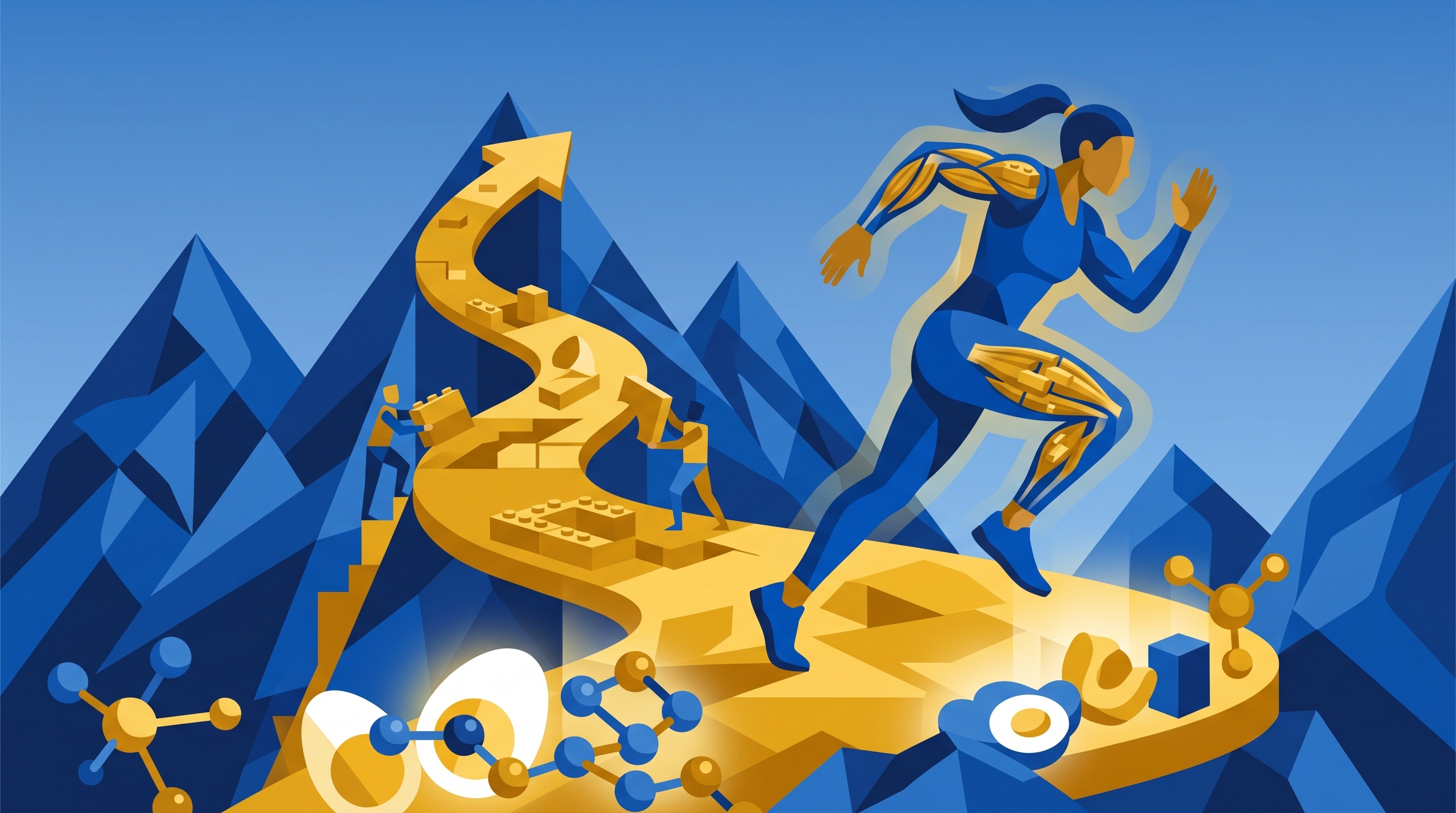
Whether you are crushing a trail run through the Santa Monica Mountains, pushing heavy weights in the gym, or recovering from a stubborn sports injury, your body is constantly experiencing micro-trauma. To bounce back stronger, your muscles need the right materials to rebuild.
Protein provides the essential amino acids required to repair that muscle tissue following physical activity. Because your body cannot produce these essential amino acids on its own—they can only be obtained through food—proper nutrition is a non-negotiable part of your rehabilitation and performance strategy.
Protein is often associated strictly with bodybuilders trying to bulk up, but its role in the body is far more expansive. It is essential for various bodily functions, including enzyme and hormone production.
For an active individual or a physical therapy patient, protein is primarily responsible for:
If you look at standard dietary guidelines, you will often see a general protein intake recommendation of 0.8 grams per kilogram (g/kg) of body weight. However, it is crucial to understand that this number is the minimum required for a completely sedentary individual just to prevent malnutrition.
Athletes and highly active individuals require significantly more protein, especially when participating in strength training, trying to maintain lean mass, or recovering from an injury. A good rule of thumb is that active individuals should be getting 15% to 30% of their total daily calories from protein.
Leading sports science organizations—including the American College of Sports Medicine (ACSM), the International Society of Sports Nutrition (ISSN), and the International Olympic Committee (IOC)—have established specific daily targets based on your goals.
To find your target, calculate your needs based on grams per kilogram (g/kg) of your body weight per day:
You should always tailor your macronutrient intake to your specific training goals, prioritizing whole foods over highly processed options.
High-quality animal sources include lean meats, fish, eggs, dairy, and whey protein shakes. If you follow a plant-based diet, you can still easily hit your targets using vegan options like lentils, tempeh, beans, quinoa, almonds, and high-quality plant-based protein shakes. Note: If you are struggling to meet your performance goals or balance your macronutrients, consider working with a registered dietitian.