
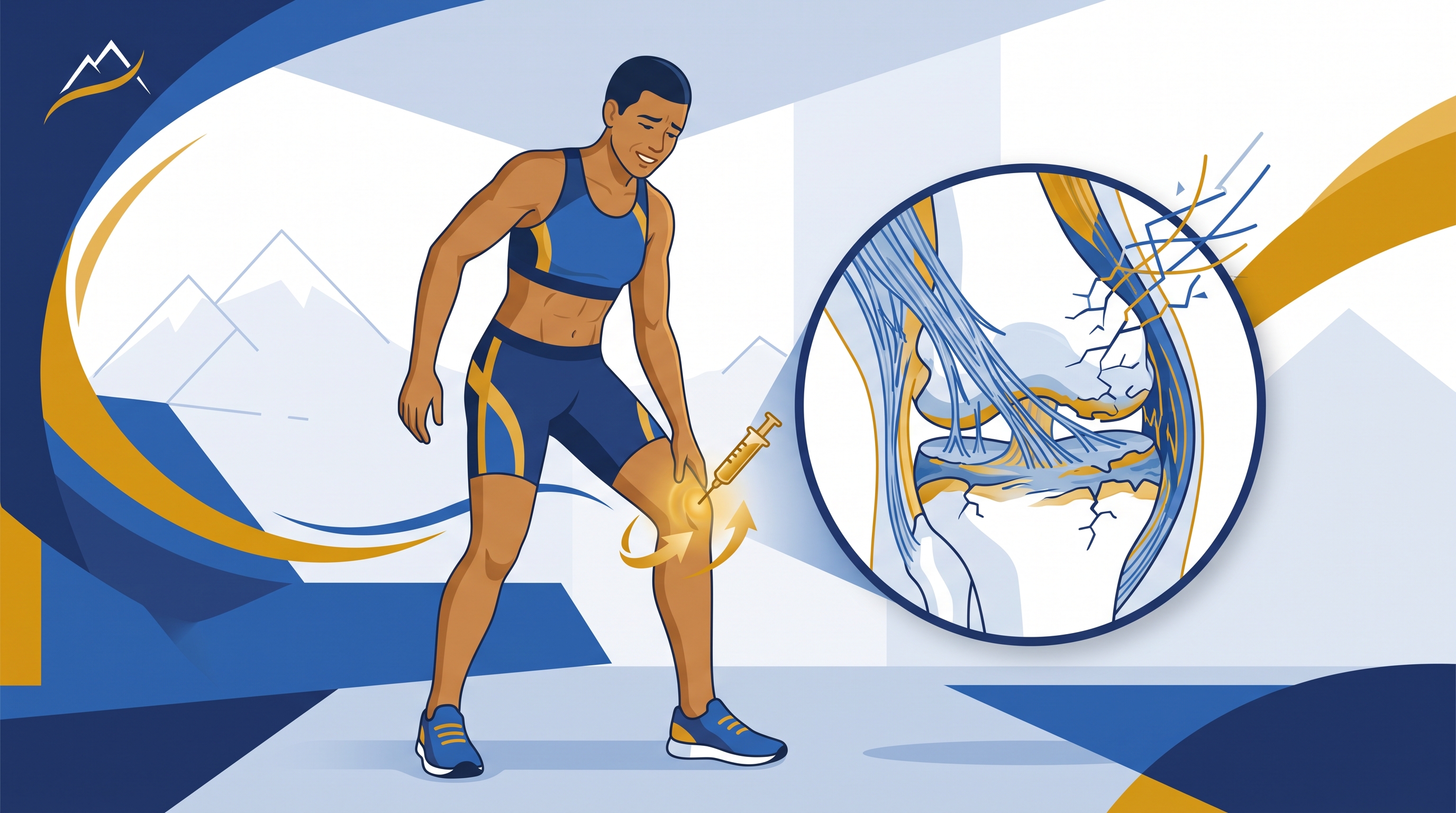
For decades, corticosteroid injections have been one of the most common treatments for orthopedic conditions such as knee arthritis, shoulder pain, tendonitis, plantar fasciitis, and back pain. Patients frequently seek them out because they can provide rapid pain relief and are often presented as a simple alternative to surgery.
However, growing research suggests that steroid injections may not be the best option for many musculoskeletal conditions. While they can temporarily reduce symptoms, they often fail to address the underlying problem and may even contribute to tissue damage over time.
The primary purpose of a corticosteroid injection is to suppress inflammation. While inflammation can contribute to pain, it is often only one part of a much larger issue.
Conditions such as tendon degeneration, osteoarthritis, ligament injuries, and cartilage damage are structural problems. Steroids do not regenerate cartilage, strengthen ligaments, repair tendons, or restore joint function. Instead, they simply reduce the body's inflammatory response (which is a requirement for healing), often creating the illusion that the condition has improved when the underlying damage remains unchanged.
As a result, many patients experience temporary relief followed by a return of symptoms weeks or months later.
Many patients report significant pain relief immediately after receiving a steroid injection. Unfortunately, the duration of benefit is often limited.
Numerous studies have demonstrated that while steroid injections may provide short-term symptom improvement, long-term outcomes are frequently no better than conservative treatments such as physical therapy, exercise, weight management, and activity modification.
For chronic orthopedic conditions, temporary pain relief may not justify the potential risks associated with repeated injections.
One of the most concerning effects of corticosteroids is their impact on connective tissue.
Research has shown that corticosteroids can:
This is particularly problematic when injections are administered around tendons such as the Achilles tendon, rotator cuff, tennis elbow tendons, or plantar fascia.
Repeated injections can increase the risk of tendon degeneration and, in some cases, tendon rupture.
For patients with osteoarthritis, steroid injections are commonly used to reduce joint pain.
However, emerging evidence suggests that repeated corticosteroid injections may accelerate cartilage loss within joints. Since cartilage has limited ability to regenerate, any treatment that contributes to its breakdown should be approached with caution.
While pain may temporarily improve, the long-term health of the joint could potentially worsen.
Pain serves an important biological purpose—it alerts us to tissue injury or dysfunction.
When steroids temporarily eliminate pain, patients may return to activities that exceed the tissue's ability to tolerate load. Because the underlying pathology remains present, this can lead to further injury and delayed recovery.
Rather than promoting healing, pain suppression may sometimes encourage behaviors that perpetuate the problem.
Many orthopedic patients receive multiple injections over the course of several years.
Each additional injection may increase the risk of:
Most orthopedic specialists now recommend limiting the frequency of corticosteroid injections because of these cumulative effects.
Modern orthopedic care increasingly emphasizes treatments that improve tissue health and function rather than simply suppress symptoms.
Depending on the diagnosis, alternatives may include:
These strategies often require more patience and effort, but they are more likely to address the root causes of pain and dysfunction.
Steroid injections are not inherently bad, and there are situations where they can be valuable.
They may be useful for:
The key is understanding that steroid injections should generally be viewed as a short-term tool rather than a definitive treatment.
Corticosteroid injections remain one of the most frequently used treatments in orthopedics, but their popularity should not be mistaken for long-term effectiveness. While they can provide temporary pain relief, they do not repair damaged tissues and may contribute to cartilage loss, tendon weakening, and delayed healing when used repeatedly.
Patients should carefully discuss both the benefits and risks of steroid injections with their healthcare provider and consider whether treatments aimed at restoring function and promoting healing may offer a more durable solution.
The ultimate goal of orthopedic care should be more than reducing pain—it should be restoring the health and resilience of the musculoskeletal system.
Request your initial evaluation today, or get to know the clinical team behind our evidence-based care.